





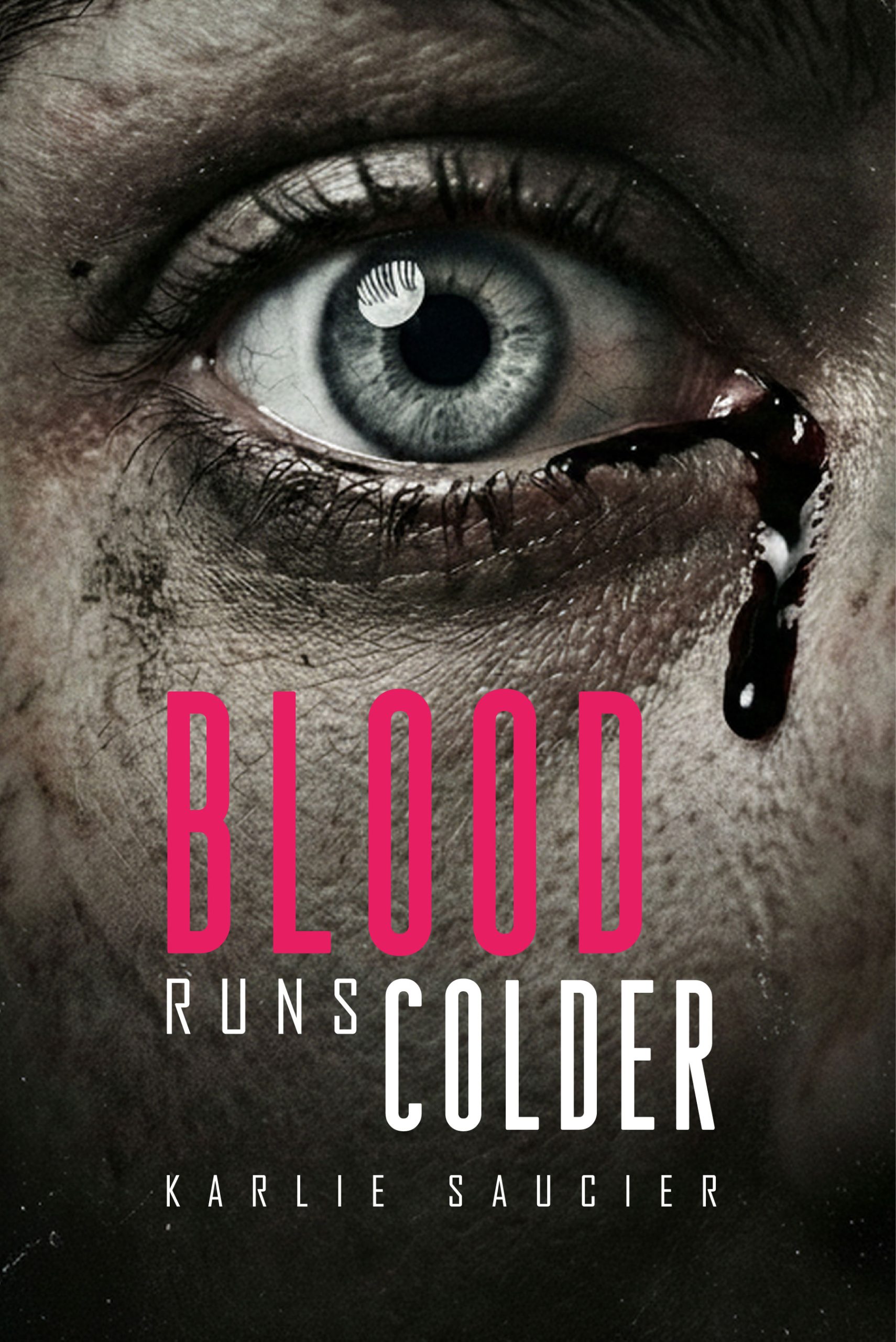



I had the opportunity to read an early manuscript of Blood Runs Colder, and it stayed with me long after I finished it. The structure is disciplined, and the shifting perspectives create steady pressure without relying on spectacle. What impressed me most was the psychological layering. Every interaction feels purposeful. The investigation moves with clarity, yet the emotional stakes never feel secondary. It is rare to find a debut thriller that balances procedural detail with character depth this confidently.
I reviewed a pre-publication copy of this novel and found it remarkably controlled for a first release. The pacing is deliberate, which allows the tension to build naturally. The author understands how to withhold information without frustrating the reader. The relationships feel real, particularly the dynamic between the witness and the detective. By the final chapters, the emotional weight becomes evident. This psychological thriller respects its audience and rewards careful reading.
After reading the advance draft, I can say this book relies on character rather than shock value. The writing is focused and intentional. New York City is rendered with texture, yet it never overshadows the internal conflicts driving the story. The moral questions linger beyond the page, especially around trust and accountability. For readers who appreciate layered suspense and steady narrative control, this debut will be worth watching upon release.